

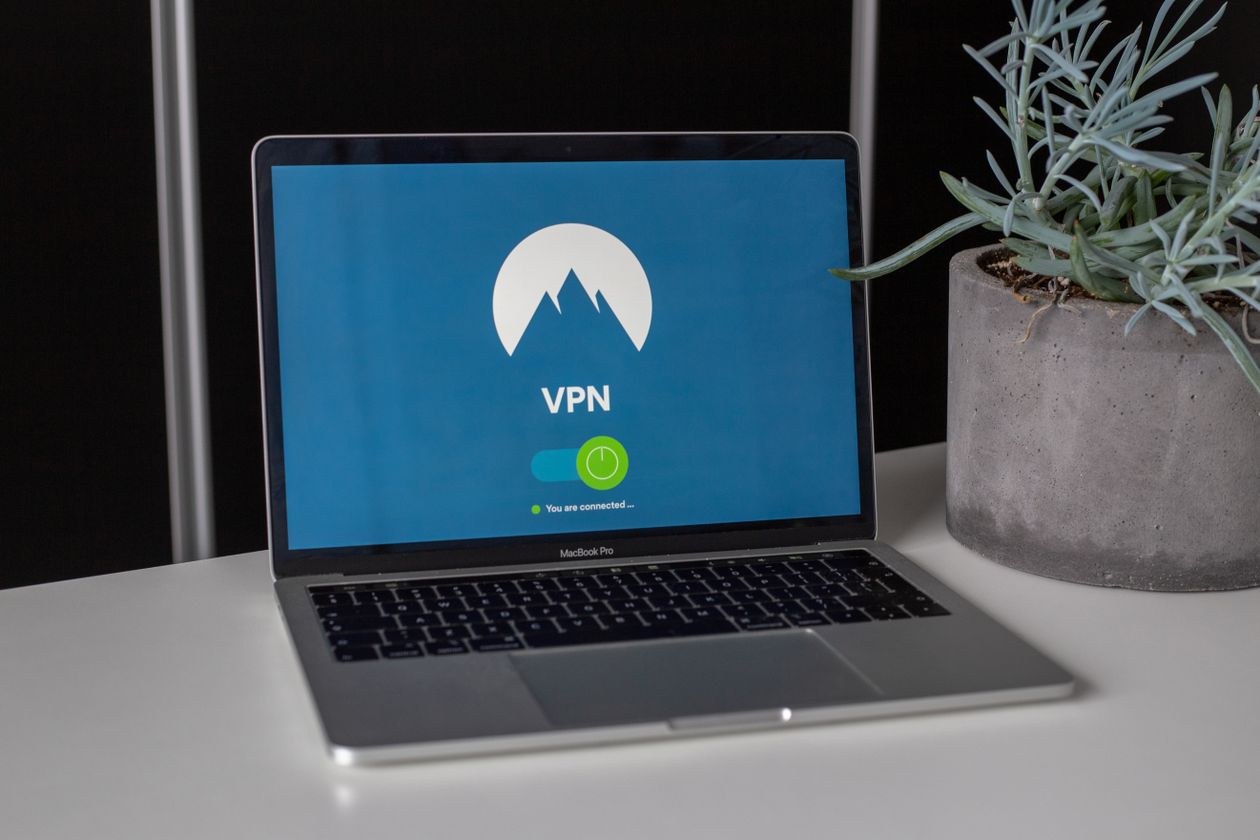
Quick answer: Some free VPNs are fine for light, occasional use, and many are not. A VPN sees all your traffic, so a free service has to make money another way: ads, data, strict limits or upselling. Pick a known provider with a clear no logs policy, or pay a few dollars a month.
Few tech questions carry their own warning quite like this one. A Virtual Private Network promises privacy. It encrypts the connection between your device and a VPN server, hides your traffic from the local Wi-Fi network and from your internet provider, and makes websites see the server’s location instead of yours. Then a free version shows up and offers all of that for nothing.
Running VPN servers in dozens of countries costs real money. So what’s the free product, exactly, and what are you paying with instead? This guide gives US and UK readers the honest 2026 answer: what a VPN can and can’t do, how free providers make money, the red flags regulators have warned about, and a checklist for choosing safely. More protection guides live in our Cybersecurity section.
First, what a VPN actually does (and doesn’t)
What it does
- Encrypts your connection on public Wi-Fi in cafes, airports, hotels and trains, so other people on that network can’t easily snoop on it.
- Shifts who can see your browsing from your internet provider to the VPN provider. That’s a transfer of trust, not an end to it.
- Changes your apparent location to the country of the server you pick, which affects the search results, prices and catalogues you see.
What it doesn’t do
- It doesn’t make you anonymous. Websites can still recognise you when you sign in, and they can track you with cookies and other identifiers.
- It doesn’t stop malware, phishing or scams. A VPN will happily encrypt your connection to a fake site.
- It doesn’t hide your activity from the VPN company itself. That’s exactly why the free question matters so much.
How free VPNs make money: five models
1. The freemium funnel (lowest risk)
A well known paid provider offers a limited free tier: fewer servers, slower speeds, one device, a data cap. It exists to recruit future subscribers, so the incentives point the right way. Abusing free users would poison the brand. This is the safest kind of free VPN.
2. Advertising (medium risk)
The app shows ads, sometimes a lot of them. Ads mean ad networks, and ad networks mean tracking software inside the very app you installed for privacy. Read what data the ad partners get before you accept that bargain.
3. Selling data or bandwidth (high risk)
Some free VPNs have made money by sharing browsing data with third parties for marketing and analytics, or by routing other people’s traffic through your connection. At that point the privacy tool has become the privacy problem, and your IP address may end up linked to strangers’ activity.
4. The fake VPN (severe risk)
Regulators have found VPN apps that didn’t encrypt traffic at all, asked for alarming permissions, or existed mainly to harvest data. The US Federal Trade Commission has told consumers to research VPN apps carefully, and in the FTC’s guidance on shopping for a VPN app it flags exactly these issues: apps that share information with third parties, request sensitive permissions, or fail to encrypt. That warning has only grown more relevant as app stores have filled with copycat VPNs.
5. Bundled and built in VPNs (varies)
VPN features bundled with a browser, phone or security suite from a major company are usually paid for by the wider product. They tend to be limited, with fewer locations and less control, but at least the business model is easy to understand.
The red flag checklist: before you install any free VPN
- No clear privacy policy, or one that admits selling data. “We may share information with partners” is the whole story in one sentence.
- Absurd permissions. A VPN doesn’t need your contacts, text messages or precise location to work. The FTC specifically advises checking permission requests before installing.
- No named company, no country, no contact. If you can’t tell who runs it or which law covers it, you can’t judge its promises.
- Impossible promises. “100 percent anonymous forever, military grade, fastest in the world, completely free.” Real providers talk about audits, protocols and limits instead.
- Few reviews outside the app store, or a flood of identical five star reviews posted in the same week.
- It wants to install extra software: profiles, certificates, “boosters” or cleaners your phone doesn’t need.
What we have learned from years of testing VPNs
We have installed more VPN apps than we can count, and the pattern is hard to miss once you’ve seen it a few times. The trustworthy ones are almost boring. They name their company, publish a policy you can actually read, state their limits up front, and try to sell you the paid plan in plain sight. The worrying ones hide everything. No names, no limits, just big promises and a lot of ads. Our rule is simple: if you can’t work out how a free VPN pays its bills within two minutes of reading its page, assume the answer is you.
US and UK angles that change the answer
Different privacy laws, same practical caution
UK users’ data is governed by UK GDPR, enforced by the Information Commissioner’s Office, which gives you rights over how companies handle your data. The US has no single federal privacy law like it, though state laws such as California’s add protections for people there. In both countries the practical defence is the same. A provider that logs and sells your activity creates a record that can be leaked, sold on, or legally requested, whatever flag is on its marketing.
Patching and product quality matter too
The UK’s National Cyber Security Centre has stressed keeping VPN products patched and properly set up, and its device security guidance, including its section on choosing and deploying VPNs, is a good benchmark for what doing VPNs properly looks like. Free apps that rarely get updated fail that test quietly.
Streaming and location rules
Using a VPN is legal in both the US and UK. Using one to break a streaming service’s terms is a contract issue, not a crime, but expect services to block well known free VPN servers first, because those IP addresses are the most abused. It’s one reason free tiers disappoint for watching TV while travelling.
When is a free VPN good enough, and when should you pay?
Free is probably fine if…
- You need occasional protection on public Wi-Fi a few times a year.
- You pick the free tier of a reputable, named provider with a published no logs policy.
- You’re not signing into banking or work accounts through it, and you accept speed and data limits. Free tiers often cap you somewhere between a few hundred MB and 10 GB a month.
Pay the few dollars if…
- You work remotely, travel a lot, or use public Wi-Fi every week.
- You want steady speeds, lots of server locations and several devices covered.
- Privacy is the actual goal, not a side effect. Reputable paid VPNs commonly cost about $3 to $6 a month (roughly £2.50 to £5) on longer plans. They’re cheap precisely because subscribers are the customers being served, not the product being sold.
Whichever route you take, keep the rest of your setup in shape with the built in tools and updates covered in our Software guides, and bring the same healthy scepticism we apply to AI tools in our AI and Tools coverage and our breakdown of how AI search decides what to trust. A VPN is one layer, not a suit of armour.
Frequently Asked Questions
Can a free VPN see my passwords and banking details?
A VPN can see where your traffic goes, though reputable VPNs encrypt the tunnel, and modern banking sites add their own HTTPS encryption on top, which protects the content of those sessions. The real risk with a shady free VPN is logging and data sharing, a record of everything you do, plus the chance of injected ads or worse. Stick to named providers.
Do free VPNs really sell your data?
Some have, and regulators have documented VPN apps sharing data with third parties for marketing and analytics. Not every free VPN does this. Freemium tiers from established providers exist to sell subscriptions. The privacy policy, and whether the provider accepts independent audits, tells you which model you’re dealing with.
Will a VPN slow my connection down?
A little, always. Encryption and a longer route add overhead. Free tiers slow you more, because servers are crowded and speed is a common upsell lever. If video calls stutter, a paid plan or a nearer server usually fixes it.
Is using a VPN legal in the US and UK?
Yes. VPNs are legal, widely used by businesses for remote work, and recommended as one layer of protection on public networks. What you do through the connection is still subject to the law, and to the terms of any service you use.
Final Takeaway
A free VPN is not automatically a scam, but “free” always has a business model, and your job is to find it before you install. Choose the limited free tier of a provider that sells subscriptions. Read the privacy policy and permissions with the FTC’s warnings in mind. And if privacy is something you need every day, upgrade to a paid plan that costs less than a coffee a month.
Spotted a VPN app making impossible promises? Contact TechPure and we may look into it in a future piece on TechPure.
